
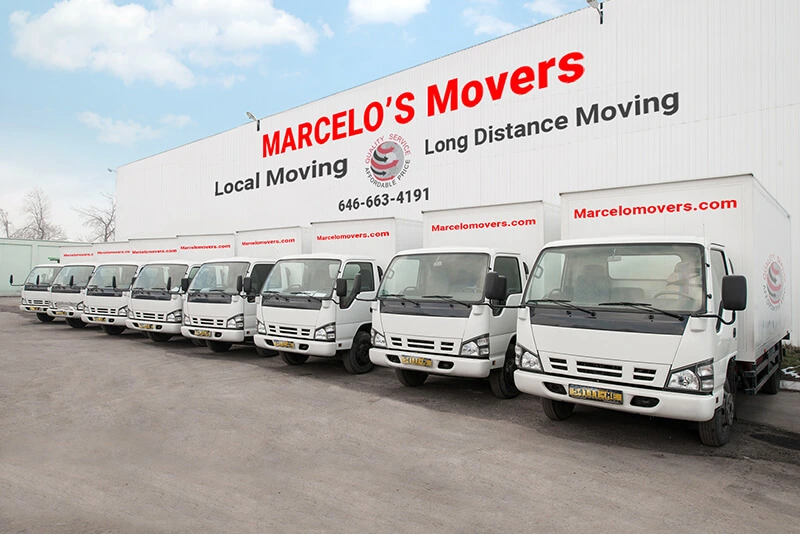
Moving to a new city or state is a major life transition, and moving from Brooklyn can come with its own unique challenges. From navigating busy streets and apartment buildings to coordinating a move across state lines, long-distance relocation requires careful planning and organisation. Working with experienced movers such as Marcelo’s Movers can make the process more manageable by helping you prepare, pack, transport, and settle into your new destination with greater confidence.
Unlike a short-distance move, a long-distance relocation involves more logistics, preparation, and coordination. Your belongings may travel hundreds or even thousands of kilometres, which means choosing the right moving company and understanding the process is essential. Knowing what to expect before moving day can help you avoid unnecessary stress, unexpected costs, and last-minute problems.
What Is Considered a Long-Distance Move?
Understanding what qualifies as a long-distance move is the first step in preparing for your relocation. The definition can vary between moving companies and locations, but long-distance moves generally involve travelling a significant distance from your current home.
A long-distance move may include:
Moving to another state: Relocating from New York to another state is generally considered a long-distance move and may involve additional transportation planning.
Moving several hundred miles away: Even when you remain within the same general region, a substantial distance can make the move more complex than a typical local relocation.
Moving between major cities: Relocating from Brooklyn to another major metropolitan area requires planning for traffic, building access, parking, delivery schedules, and travel time.
Moving for work or family reasons: Long-distance moves are often connected with job opportunities, family changes, education, or lifestyle decisions.
Because these moves involve more than simply loading a truck and driving to another neighbourhood, professional planning can make a significant difference.
Why Moving From Brooklyn Can Be Challenging
Brooklyn offers a vibrant urban environment, but its busy streets and diverse residential buildings can create additional considerations during a move. Understanding these challenges can help you prepare for moving day more effectively.
Brooklyn moves may involve:
Limited parking: Finding suitable parking near an apartment or house can be difficult, particularly on busy streets.
Apartment access: Walk-ups, elevators, narrow hallways, and staircases may affect how furniture and boxes are moved.
Traffic congestion: Heavy traffic can influence loading times and travel schedules.
Building requirements: Some residential buildings require advance notice, certificates of insurance, elevator reservations, or specific moving hours.
Large or heavy furniture: Navigating bulky furniture through tight spaces requires careful handling to reduce the risk of property or item damage.
These factors make it useful to discuss your property and building requirements with your moving company before the scheduled date.
What Should You Expect From Long-Distance Moving in Brooklyn?
When planning long distance moving in brooklyn, you should expect a process that involves considerably more preparation than a simple local move. A professional moving company will typically need information about your current home, destination, inventory, preferred moving dates, and any special requirements.
The process commonly includes an initial consultation, an estimate, preparation, packing, loading, transportation, and delivery. Depending on your circumstances, additional services such as packing, furniture disassembly, storage, or specialised handling may also be available.
It is important to provide accurate information from the beginning. If you forget to mention a large piece of furniture, additional boxes, stairs, restricted building access, or special items, your final arrangements may need to change.
A detailed inventory can help create a smoother experience because both you and the moving company have a clearer understanding of what needs to be transported.
Getting a Moving Estimate
A moving estimate gives you a better idea of the potential cost of your relocation. Before accepting an estimate, take time to understand what is included and what may result in additional charges.
A proper estimate may take several factors into account:
Distance: The distance between Brooklyn and your new destination can significantly affect transportation costs.
Volume of belongings: More furniture and boxes generally require more space, labour, or transportation resources.
Packing services: Professional packing can add to the overall price but may save you substantial time.
Accessibility: Stairs, long carries, elevators, difficult parking, or restricted access may affect labour requirements.
Special items: Pianos, antiques, artwork, fragile furniture, or unusually large items may require additional handling.
Storage: If your new home is not immediately available, temporary storage may become part of your moving plan.
Ask questions if any part of the estimate is unclear. Understanding the pricing structure before moving day can help you plan your budget more confidently.
How a Brooklyn Local Mover Can Help
Although your relocation may ultimately take you far from New York, the first stage of the process begins in Brooklyn. A reliable brooklyn local mover can help you manage the practical challenges associated with collecting your belongings from your current property.
Local knowledge can be particularly valuable when dealing with busy streets, apartment buildings, loading areas, parking restrictions, and building access. Movers familiar with Brooklyn may also be better prepared to anticipate common logistical issues that can affect moving day.
Before choosing a company, consider whether it offers the services you need for your particular move. Ask about packing, furniture protection, loading, transportation, storage, delivery scheduling, and handling of special belongings.
A good moving experience depends not only on transportation but also on communication. You should feel comfortable asking questions and receiving clear answers throughout the planning process.
Preparing Your Belongings for a Long-Distance Move
Preparing early can make your relocation much easier. Long-distance moves involve more time in transit, so belongings should be packed securely and organised carefully.
Start by sorting everything before packing. Separate items you want to keep from things you no longer need. Moving is often an excellent opportunity to donate, sell, recycle, or dispose of unwanted belongings.
When packing, consider the following:
Use strong boxes: Choose appropriate boxes that can withstand handling and transportation.
Protect fragile belongings: Wrap glassware, electronics, decorations, and other delicate items individually where necessary.
Label every box: Clearly identify the room and general contents of each box.
Avoid overpacking: Extremely heavy boxes can be difficult to carry and may be more likely to break.
Create an essentials box: Keep medications, toiletries, chargers, documents, basic clothing, and other necessities accessible.
Keep important documents separate: Passports, identification, financial documents, contracts, and other essential paperwork should remain easily accessible.
Proper preparation reduces confusion when your belongings arrive at the new property.
What Happens on Moving Day?
Moving day is usually the busiest part of the relocation. Understanding the typical sequence can help you stay organised and avoid unnecessary stress.
The process may begin with the moving team reviewing the property and confirming the items included in the move. Furniture and boxes are then carefully prepared for removal.
Movers may use protective materials on floors, walls, doors, and furniture to help reduce the possibility of damage during handling. Items are then carried from the property and loaded into the transportation vehicle.
Before leaving, it is useful to complete a final walkthrough of every room, cupboard, storage area, garage, and outdoor space. Check drawers and closets carefully because small belongings are easy to overlook.
Keep your phone available throughout the day so the moving team can reach you if an unexpected issue arises.
Long-Distance Transportation and Delivery
Once your belongings leave Brooklyn, transportation becomes the next major stage of the relocation. Long-distance delivery requires coordination between the origin, transportation route, and destination.
Delivery timing can depend on the distance, route, weather, traffic, scheduling, and other logistical factors. For this reason, it is wise to understand the expected delivery window rather than assuming that your belongings will arrive at an exact hour.
Before the truck arrives at your new home, make sure the destination is ready for delivery. Confirm building access, parking arrangements, elevator reservations, and any other requirements.
When your belongings arrive, inspect boxes and larger items as they are unloaded. Keeping your inventory organised can make it easier to identify anything that may need additional attention.
How to Choose the Right Long-Distance Movers
Choosing a moving company is one of the most important decisions you will make during your relocation. Price is important, but it should not be the only factor you consider.
Look for a mover that provides clear information about its services, estimates, scheduling, and responsibilities.
Consider these factors when comparing moving companies:
Experience: Look for experience handling long-distance relocations similar to yours.
Communication: The company should answer your questions clearly and provide useful information throughout the process.
Services: Confirm whether the mover offers packing, loading, furniture protection, storage, or other services you require.
Pricing transparency: Make sure you understand how the estimate was calculated and whether additional charges may apply.
Reviews and reputation: Customer feedback can provide useful insight into communication, punctuality, professionalism, and handling practices.
Documentation: Read the moving agreement and other documents carefully before signing.
Do not rush the decision simply because you have a moving date approaching. A little research can help you select a company that matches your needs and expectations.
Ways to Make Your Long-Distance Move Easier
Even with professional assistance, your preparation can have a major impact on how smoothly the move goes. The earlier you start, the more manageable the process becomes.
Here are several practical strategies:
Create a moving timeline: Break the process into weekly tasks rather than trying to complete everything at once.
Declutter early: Reduce the number of items that need to be packed and transported.
Organise by room: Keep similar belongings together so unpacking becomes easier.
Prepare an inventory: Make a record of major belongings and boxes.
Protect valuable items: Identify fragile or valuable belongings that may need special attention.
Confirm arrangements: Reconfirm your moving date, pickup details, destination information, and building requirements before moving day.
Plan for the first night: Keep essential clothing, toiletries, food, chargers, bedding, and important documents easily accessible.
Good organisation can turn a complicated relocation into a series of manageable tasks.
Common Mistakes to Avoid
Long-distance moving becomes more stressful when small planning mistakes create larger problems. Fortunately, many common issues can be avoided with preparation.
One mistake is waiting until the last minute to start packing. Another is failing to measure large furniture before moving it to a new property. You should also avoid assuming that every item can be transported without special preparation.
Other mistakes include not checking building rules, overlooking parking requirements, failing to ask about the estimate, and packing essential belongings inside boxes that will be difficult to access.
It is also important not to choose a moving company based exclusively on the lowest price. A surprisingly low estimate may not include services or circumstances that another company has already accounted for.
Taking time to compare your options can help you make a more informed decision.
Questions to Ask Before Hiring Movers
Before booking a long-distance moving service, ask practical questions about the entire process. A professional conversation before moving day can prevent misunderstandings later.
Useful questions include:
What services are included in the estimate?
How is the moving cost calculated?
What information do you need about my current property?
Do you provide packing and furniture protection?
How are fragile or oversized belongings handled?
What is the expected pickup and delivery process?
Are storage services available if my new home is not ready?
What documentation will I receive before the move?
The answers can help you compare companies and determine whether their services fit your relocation requirements.
Planning for a Stress-Free Brooklyn Move
A successful long-distance move does not happen by accident. It is the result of good planning, clear communication, realistic expectations, and careful preparation.
Start by determining your moving date and destination. Then create an inventory, organise your belongings, research moving companies, request an estimate, and confirm any building or parking requirements.
Give yourself enough time to deal with unexpected issues. Moving across a long distance can involve changes in schedules or circumstances, so flexibility is valuable.
Most importantly, keep your essential belongings and documents organised throughout the process. Having access to what you need can make the transition significantly easier.
Conclusion
Long-distance relocation from Brooklyn requires more planning than an ordinary local move, but understanding the process can make the experience much more manageable. From getting an accurate estimate and preparing your belongings to arranging building access and coordinating delivery, each stage plays an important role in a successful move. With the right preparation and support from Marcelo’s Movers, you can approach your relocation with greater confidence and fewer surprises.
If you are preparing for a move from Brooklyn and want professional guidance for your upcoming relocation, contact us to discuss your moving requirements and learn how the process can be planned around your needs.
Frequently Asked Questions
It is generally best to begin researching and contacting moving companies as early as possible. Booking ahead gives you more flexibility with moving dates and provides additional time for packing, decluttering, building arrangements, and other preparations.
The cost may depend on the distance, volume of belongings, services selected, packing requirements, accessibility, special items, storage needs, and other logistical factors. Requesting a detailed estimate can help you understand the expected cost.
You can pack your belongings yourself if that works for your schedule. However, some moving companies also offer professional packing services. Discuss your preferences with the mover beforehand so you understand what is included in your moving arrangement.
Confirm building rules, reserve an elevator if required, check parking or loading arrangements, clear pathways, and make sure your belongings are packed and labelled. Completing these preparations before the moving team arrives can help reduce delays.
Keep important documents, identification, medications, chargers, valuables, essential clothing, toiletries, basic food, and other immediate necessities easily accessible. Avoid placing essential items in boxes that may not be opened until delivery.